









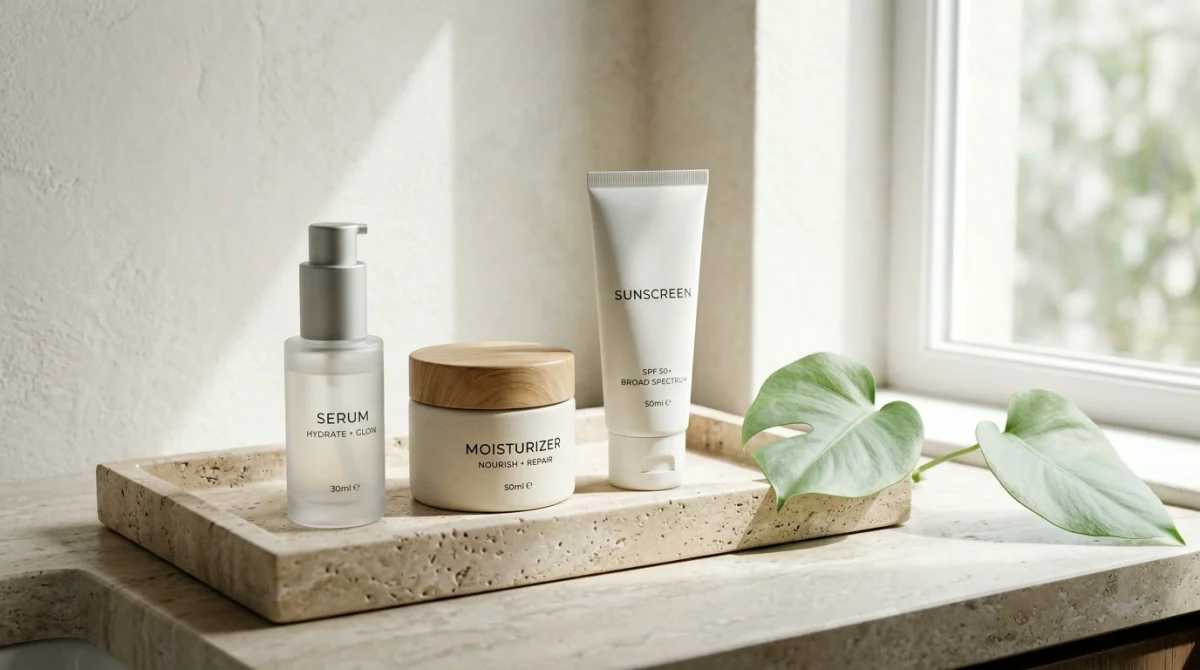
Copy a ten-step skincare checklist straight off someone living in coastal humidity, run it blindly in Kathmandu through freezing dry January winds, and your cheeks end up tight and flaking while clogged sunscreens pill off every scarf collar. Then flip six months forward into muggy monsoon heat—leaving thick occlusive creams sitting heavy on forehead T-zones alongside road exhaust dust—and sudden congestion breaks out faster than any scrub can calm.
Because Nepal swings dramatically between high-altitude UV sun even in winter, crisp dry autumn winds, dusty spring construction stretches, and damp monsoons, sensible personal care on Kinzo across Bloom & Vogue and Beauty & Personal Care starts with just three adaptable steps, clean batch-fresh verification, and smart bathroom storage.
Key Takeaways
- High elevation multiplies daytime UV intensity year-round: Across valley hills sitting at 1,350 meters and up, daily broad-spectrum SPF 30–50+ matters even behind cool overcast clouds.
- Adapt texture weight between monsoon and winter—never overhaul every bottle at once: Swap thick winter ceramide balms for breathable gel-lotions from June through September while keeping gentle cleansers steady.
- Check foil seals, PAO (Period After Opening) symbols, and cool shading: Vitamin C and active serums oxidize quickly when left in sunlit glass cabinets or unsealed hot parcels.
- Patch test one new active every 7–10 days: Introducing three acids simultaneously leaves skin irritated without knowing which formula triggered tightness.
Understanding Nepal’s Two Distinct Skin Climates
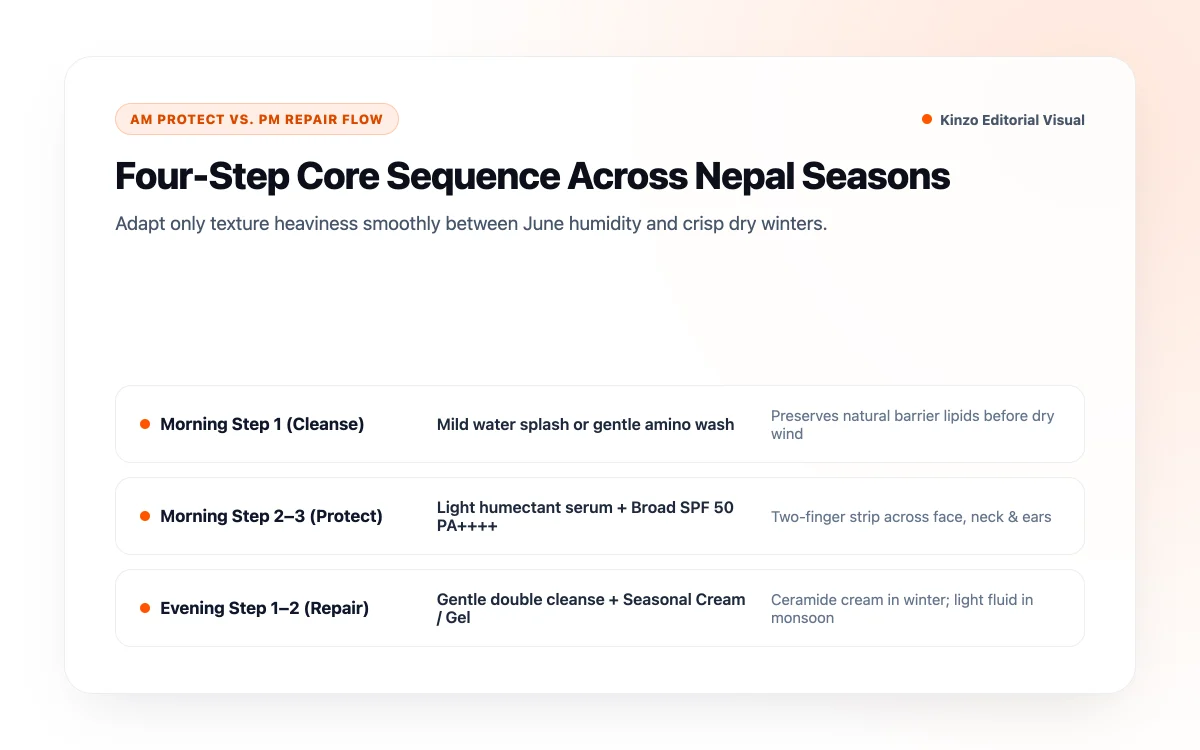
From late November through March, valley indoor humidity drops sharply, room heaters pull residual moisture out of skin barriers, and cool dry mornings sting cheeks after aggressive foaming face washes. Shifting from squeaky-clean stripping gels toward mild pH-balanced cream or amino washes immediately relieves mid-morning tightness without touching extra expensive serums.
Come May–September rains, ambient moisture skyrockets while commuter helmets and fine road dirt stick tightly against oily sunscreen film. Lightweight non-comedogenic humectant serums (hyaluronic acid, niacinamide, centella) layered under fluid milk SPFs allow skin to breathe cleanly without heavy suffocating waxes.
Evening Double Cleansing on Commuter Days
Waterproof broad-spectrum sunscreen fused with diesel traffic grime rarely rinses completely with one quick splash of cold water. Using a gentle micellar wipe or soothing cleansing balm first—followed closely by your mild water-based wash—leaves pores cleanly reset without harsh scrubbing beads that micro-tear delicate skin.
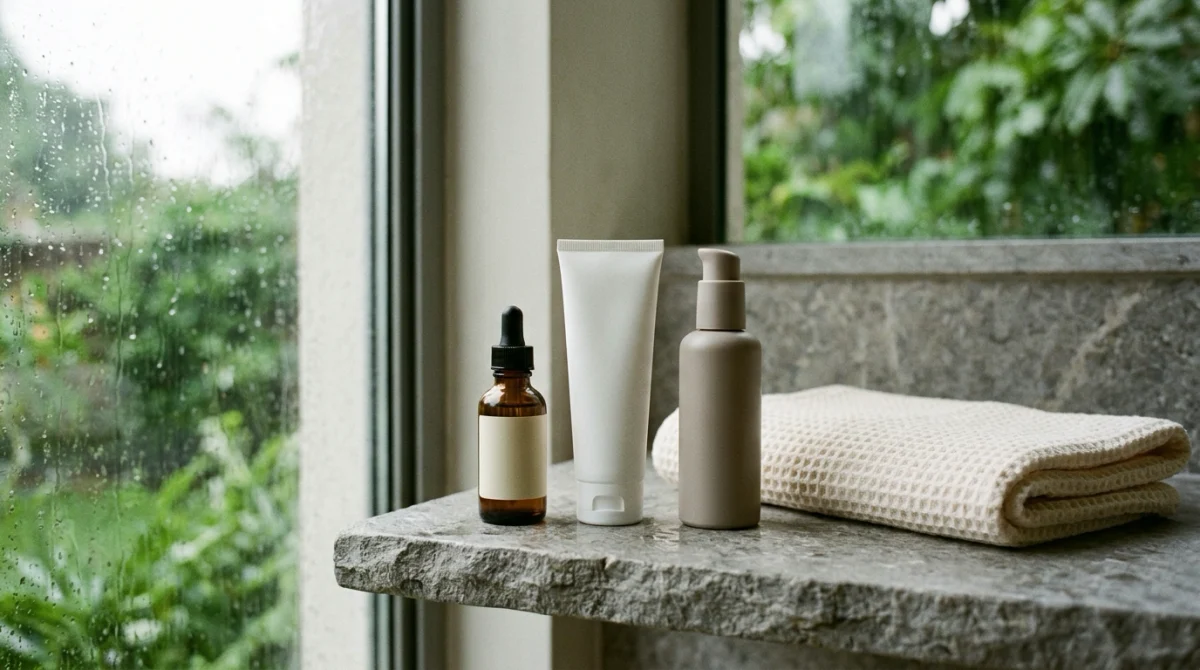
Seasonal Routine Swaps: Monsoon Humidity vs Dry Highland Winters
| Routine Step | Warm / Humid Monsoon (Jun–Sep) | Crisp / Dry Winter & High Altitude (Nov–Feb) | Core Ingredient Focus |
|---|---|---|---|
| Morning Wash | Mild gel cleanser (removes overnight oil lightly) | Lukewarm water rinse or hydrating non-foaming wash | Mild surfactants, glycerin, zero harsh sulfates |
| Targeted Hydration | Lightweight niacinamide or watery hyaluronic acid | Layered hydrating toner + panthenol/peptide drops | Panthenol, glycerin, soothing botanicals |
| Moisturizer Weight | Oil-free gel-cream or fluid lotion | Rich ceramide + squalane barrier cream at night | Ceramides NP/AP, fatty alcohols, shea fractions |
| Sunscreen Finish | Sweat-friendly matte fluid SPF 50 PA++++ | Creamy moisturizing SPF 50 with zero chalk cast | Broad-spectrum UVA/UVB photostable filters |
| Exfoliation Tempo | Gentle BHA / PHA once or twice weekly | Limit strong acids if windburn or flaking starts | Salicylic (0.5–2%) or gentle lactic acid |
How to Spot Fresh Stock and Verify Authentic Bottles Online
Buying personal care across multi-vendor marketplaces requires sensible visual diligence before opening inner caps—never compromise skin safety with stale discount clearance stock.
- Check manufacturing and expiry timestamps cleanly stamped or laser-etched (not smudged sticker overlays): Verify both manufacturing date and the **PAO jar icon** (e.g., `6M` or `12M` showing months usable once broken open).
- Look for intact outer shrink collars or foil tamper caps inside tubes: When receiving deliveries from Bloom & Vogue or verified Health & Wellness sellers on Kinzo, check box crispness before breaking seals—if an active serum smells unusually sharp/metallic or turns dark orange before opening (common in heat-damaged Vitamin C), document photos promptly for instant return verification.
- Beware bathroom shower steam shelves: Hot damp showers accelerate bacterial risk and break emulsions faster than ambient bedroom shade. Tuck active bottles inside an airy vanity drawer away from windowsills.
Reading INCI Labels, Fragrance Sensitivity, and Active Percentages
Glossy minimalist bottle packaging often distracts shoppers away from actual active concentrations printed delicately on rear boxes. Stronger percentage stamps rarely equate to calmer, clearer skin: beginners pouring 10 percent niacinamide or aggressive 2 percent salicylic daily leave sensitive valley complexions tight, red, and peeling faster than steady gentle 4 percent formulas used patiently across eight weeks. Keep simple calm basics ahead of irritating essential-oil perfumes or tingling menthol fillers, especially across dry dusty Chaitra–Baisakh winds when facial skin barriers already stretch thinly. If redness stings during water rinsing, immediately pause all acid serums and drop strictly back down to lukewarm plain cleansing, neutral ceramide cream, and fragrance-free sunscreen for ten full recovery days before testing gentler weekly intervals.
Smart Travel Pouches When Moving Between Districts
Pressurized domestic hops and rattling highway buses punish clumsy dropper pipettes and loose flip-caps ruthlessly. Wrap clear travel tape lightly across pump latches, slip viscous moisturizers inside leak-sealed zipped zip pouches rather than tumbling loosely beside clean shirts, and decant massive glass bottles into clean dark 30ml amber travel dispensers for weekend family trips rather than stressing luggage weights or risk cracking pricey glass serums on concrete bus bays.
Sunscreen Two-Finger Rule Without White Chalkiness
Applying tiny pearl-sized dabs of SPF 50 cuts real UV protection nearly in half—roughly two full-length finger strips applied evenly across face and neck ears reaches tested protection labels. Letting your light moisturizer settle two minutes prior prevents weird pilling clumps around jawlines, and reapplying once mid-afternoon during outdoor fieldwork stops cumulative UV pigmentation cleanly.
Managing Dandruff Flares, Lip Cracks, and Hand Care Together
Seasonal routines fall short when people obsess carefully over cheekbones while ignoring dry cracked lips, sunburnt ears, and tight soapy knuckles. During bitter cold January wind gusts, dabbing a thin occlusive ointment lip balm with UV filters outdoors and slipping an unscented barrier hand lotion beside bedside lamps prevents stubborn eczema patches from splitting painfully around cuticles. Equally across humid monsoons, rinsing sweaty scalp roots lightly after dusty motorbike helmets and keeping fresh cotton pillowcases rotating cleanly every four days slashes surprise cheek and forehead breakouts more reliably than adding expensive acid exfoliating masks weekly.
Hydration, Diet Signals, and Realistic Timelines for Clear Skin
Marketing ads love hinting at overnight glowing miracles within 48 hours, yet healthy skin cell turnover spans roughly four to six full weeks—nearly two lunar cycles—before gentle barrier repairs or niacinamide balance show visible quiet glow in morning mirror light. Stay patient with each consistent four-step routine across at least five uninterrupted weeks before discarding effective products unfairly. Meanwhile notice everyday external triggers: wipe smartphone screens frequently with clean dry lenses cloths so trapped commuter oil never transfers onto right jawline cheeks during prolonged calls, and step down water heat slightly during freezing shower mornings so steam does not flush delicate facial capillaries excessively.
Key Facts at a Glance
Bottom Line & Summary
Healthy skin thrives on calm consistency rather than frantic fifteen-dollar impulse actives piled together overnight. Keep a steady mild cleanser and daily high-altitude sunscreen year-round, pivot textures gently between breathable gels in damp summers and ceramide barrier creams in crisp highland winters, inspect seals closely upon delivery from Kinzo’s verified Bloom & Vogue beauty catalog, and let simple patient habits deliver clear, comfortable skin across every season.