







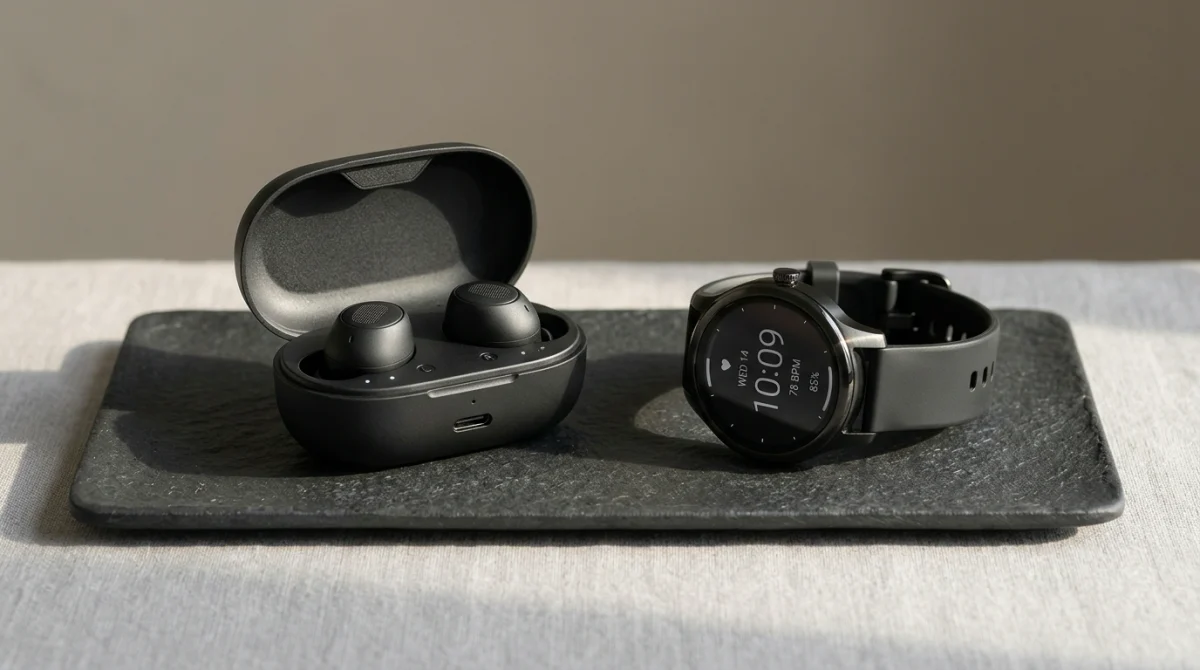
Few tech categories breed quick disappointment like cheap personal audio and wrist wearables. True wireless earbuds that sound decent inside a silent bedroom often turn completely unusable the moment a microbus rumbles past Koteshwor or office fans spin overhead—forcing you to crank music past healthy ear levels just to hear podcast dialogue. Across on your other wrist, flash-sale smartwatches boast seven-day battery numbers that quietly assume you shut off continuous heart tracking, turn off always-on daylight visibility, and leave built-in GPS disabled.
When browsing curated audio shops such as SoundScape or multi-brand storefronts on Kinzo, checking acoustic tip seal, hybrid ANC frequency behavior, call microphone clarity in traffic wind, and real GPS battery budgets separates everyday gear from drawer clutter.
Key Takeaways
- Passive silicone tip fit provides half your noise quietness: Even strong Active Noise Cancellation underperforms if ear tips leak street rumble; test all included tip sizes closely on day one.
- Look for total case cycles plus single-charge longevity: A 30-hour combined rating means comfortably surviving an entire Monday-to-Friday commute week before touching a USB-C cable.
- AMOLED wrist screens matter far more outdoors than pixel counts: On morning runs along trails or checking notifications at crosswalks, high-contrast AMOLED digits stay sharp at a glance.
- Choose a full GPS smartwatch vs slim band honestly: Runners tracking pace without lugging a phone need integrated watch GPS; casual step counters get lighter, longer battery life on sleek fitness bands.
Why Commuters Care About Hybrid ANC and Wind Rejection
Active Noise Cancellation works best against steady, predictable low-frequency rumbles—bus engines, airplane cabins, refrigerator hums, and office HVAC vents. High-pitched voices and sudden motorbike horns pass through far more noticeably. That is precisely where passive silicone isolation teams up with electronics.
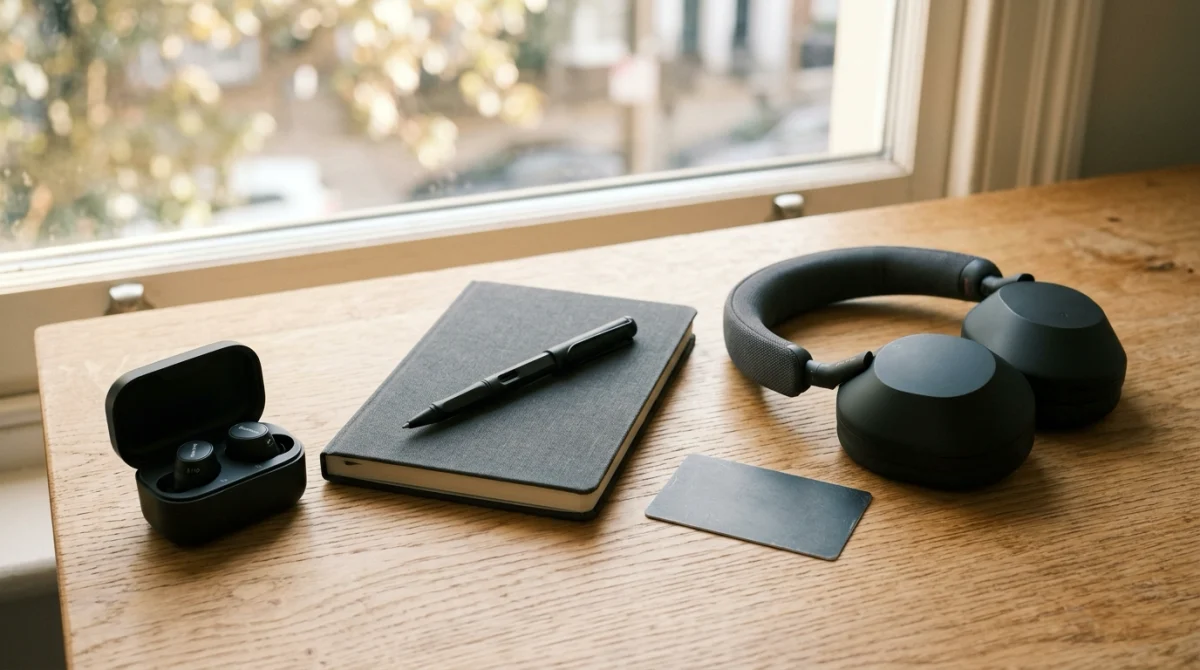
Sets like the Korvex Free Pro ANC True Wireless Earbuds rely on snug in-ear tips to physically block sharp treble noise while inverse sound waves cancel deep drone underneath. When both layers align cleanly, you drop headphone volume from 85 percent down to a relaxed 50 percent—preserving both ear health and single-charge battery runtime on hour-long commutes.
Voice Call Microphones in Real Traffic
Listening is only half the commute battle; taking client or family calls while walking outdoors tests microphone tuning ruthlessly. Single-mic budget stems pick up wind buffet across the grille so loudly the listener on the far end begs you to switch to handset earpiece mode. Dual-beamforming mics paired with software voice isolation keep speech intelligible on breezy sidewalks—though stepping slightly out of heavy gust lines during critical calls remains common-sense hygiene for any wireless stem.
Smartwatch vs Slim Fitness Band: Which Belongs on Your Wrist?
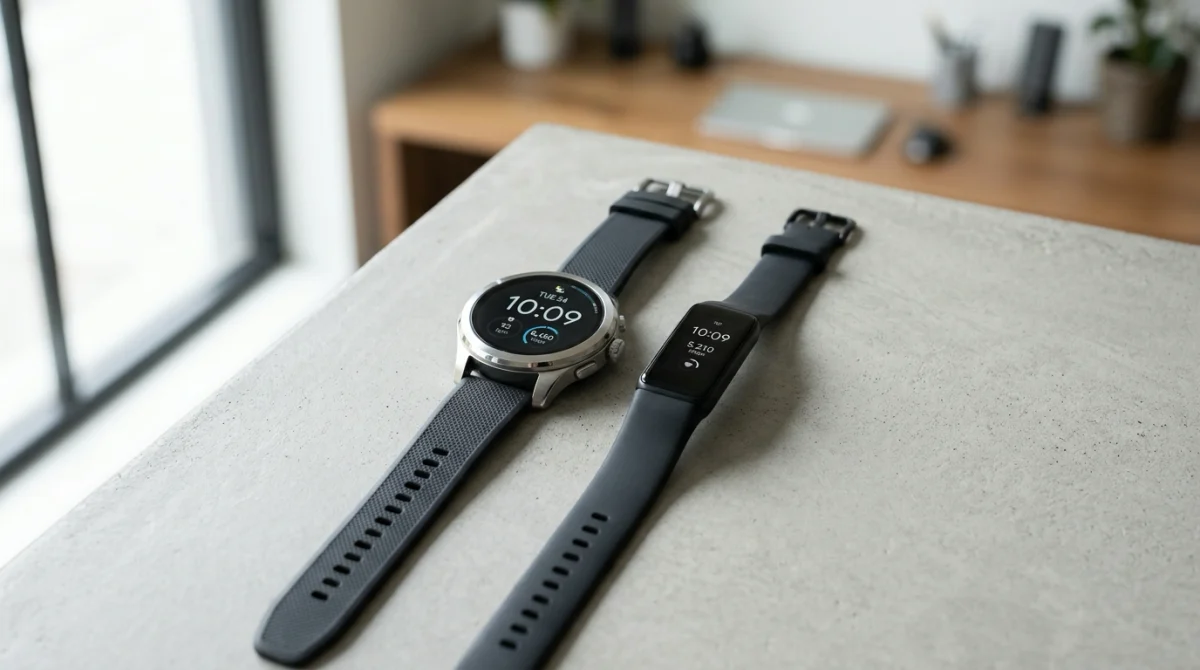
Walking through wearable listings, shoppers frequently weigh whether to invest in a full round GPS timepiece like the Pulsar Gear Chrono S2 Smartwatch (1.43" AMOLED, integrated GPS, 14-day battery) or save substantial money with a featherlight tracker such as the Pulsar Gear Flex Band 6 (1.1" touch display, heart rate, 16-day battery).
Making the wrong pick almost always comes down to two habits: sleep comfort and phone-free outdoor exercise. Wearing a substantial 46mm metal watch through sleep feels bulky on narrower wrists, pushing people to yank it off nightly and lose sleep-recovery logs. Slim fitness bands disappear against your skin overnight, silently capturing resting heart dips and vibrating gently for dawn alarms without waking your partner. Conversely, heading out for trail jogs or cycling hills along Shivapuri without hauling a heavy smartphone in swinging shorts demands dedicated satellite GPS right inside your smartwatch.
| Feature Priority | ANC Commute Earbuds (e.g., Korvex Free Pro) | AMOLED GPS Smartwatch (e.g., Pulsar Gear Chrono S2) | Everyday Fitness Band (e.g., Pulsar Gear Flex Band 6) |
|---|---|---|---|
| Core Strength | Active noise blocking + 30-hour combined playtime | 1.43" crisp AMOLED + onboard GPS route logs | Ultra-light comfort + 16-day marathon endurance |
| Display / Control | Capacitive tap zones + companion EQ modes | Large round touch dial for readable notifications | Vertical 1.1" glanceable strip for quick alerts |
| Water & Sweat Rating | Rain & workout splash resistant (clean tips weekly) | Built for heavy sweat & sudden downpours | Featherweight swim/sweat readiness all day |
| Typical Charge Rhythm | USB-C top-up once every 5 to 6 days | Every 10–14 days (shorter with daily GPS runs) | Once every 2 weeks effortlessly |
| Ideal Buyer | Bus commuters, office calls, focused study | Runners, hikers, notification power users | Sleep trackers, step goal beginners, minimalists |
Understanding Battery Claims When GPS and ANC Run Full Time
Never read headline wearable battery hours without checking testing asterisks. Rated "14-day battery" smartwatch claims measure moderate wrist raises, automated 10-minute pulse polling, and phone notification mirrors—NOT running continuous dual-band GPS logging every afternoon. Turning on 60 minutes of outdoor satellite route logging daily trims a two-week rating neatly toward six or seven days, which still trounces one-day smartwatch ecosystems that panic whenever you stay overnight away from a proprietary magnetic puck.
Equally important on wireless earbuds: keeping Active Noise Cancellation permanently engaged consumes roughly 20 to 25 percent more power inside tiny stem cells compared with standard listening modes. Having a pocket charging case delivering 30 combined hours (such as Korvex Free Pro ANC) guarantees several quick 15-minute drops inside your backpack pocket restore hours of music before leaving work.
Latency, Multipoint Bluetooth, and Care Tips for Dusty Climates
If you hop constantly between YouTube lectures on a laptop and incoming calls on a phone, check Bluetooth 5.3 stability and clean pairing switches. Good wireless buds preserve lip-sync timing during crisp video playback and offer low-latency game toggles when needed.
Multipoint Switching vs Manual Re-Pairing Friction
Think about how often you jump between devices during an eight-hour workday. True dual-device Bluetooth Multipoint lets your earbuds hold quiet standby links to both a Lumora laptop and your daily phone simultaneously: pause a recorded Zoom replay on the laptop, tap once when your mother calls on your phone, and switch cleanly back afterward without diving into buried settings menus fifteen times a morning. Similarly, transparency or ambient hear-through modes become essential when stepping into neighborhood grocery stores or crossing busy Lalitpur chowks—letting brief spoken conversations through cleanly without constantly pulling slippery stems out over wet gutters.
Firmware Tuning, EQ Presets, and Companion App Expectations
Avoid judging factory out-of-the-box bass tuning too harshly in the first five minutes. Many wireless ANC stems ship slightly warm out of factory presets to thrill showroom listeners; dialing midrange vocals up +2dB via equalizer settings dramatically sharpens audiobook narration, Zoom voices, and classic Nepali folk acoustic guitars while curbing listener fatigue across four-hour study sessions.
Living through dry dusty spring months followed by humid monsoons takes a quiet toll on tiny acoustic mesh grilles and optical watch sensors:
- Clean ear tips and speaker mesh monthly: Use a dry soft brush—never liquid alcohol poured straight into vents—to clear fine dust before volume dips unevenly between left and right buds.
- Rinse smartwatch straps after sweaty climbs: Salt sweat trapped underneath silicone bands irritates skin and clouds optical pulse lenses; mild soapy water and thorough drying restore accuracy.
- Don’t wait until 0% on tiny cells: Lithium coin cells inside wireless earbuds age fastest when stored dead for months. Plugging the case in around 20 percent preserves long-term cycle life.
Pre-Checkout Verification Across Audio and Wearable Vendors
Before submitting your order across SoundScape or TechHive Store, check two practical compatibility specs hidden in fine print: verify whether the smartwatch companion app runs smoothly without background battery kills on strict Android phone skins (many budget phones aggressively sleep third-party Bluetooth notifications unless locked in Settings), and verify standard 20mm or 22mm quick-release spring pins on watch bands so replacement breathable nylon straps cost a few hundred rupees locally instead of waiting weeks for proprietary proprietary lugs. For earbuds, keep the spare factory medium and small silicone tips sealed cleanly inside their paper pouch inside your drawer—losing one ear tip mid-year alters passive seal symmetry faster than battery aging.
Key Facts at a Glance
Bottom Line & Summary
Smart personal audio and wrist trackers work best when tailored directly to how you move through your week. Choose silicone-sealed hybrid ANC buds like Korvex Free Pro ANC when noisy transit and back-to-back calls dominate your day, pair them with an AMOLED GPS timepiece like Pulsar Gear Chrono S2 if outdoor routes and readable dials matter, or save cash and sleep comfort with the lightweight Pulsar Gear Flex Band 6.